Safe and Professional Tree Removal Services
Removing Hazardous Trees with Precision and Care
Saying goodbye to a large tree is never an easy choice, but sometimes it is the only way to protect your home and family. Dead, dying, or structurally compromised trees pose a massive liability. A sudden storm or even a heavy gust of wind can bring massive limbs crashing down onto your roof, driveway, or power lines. When a tree becomes a safety hazard, professional removal is the smartest path forward.
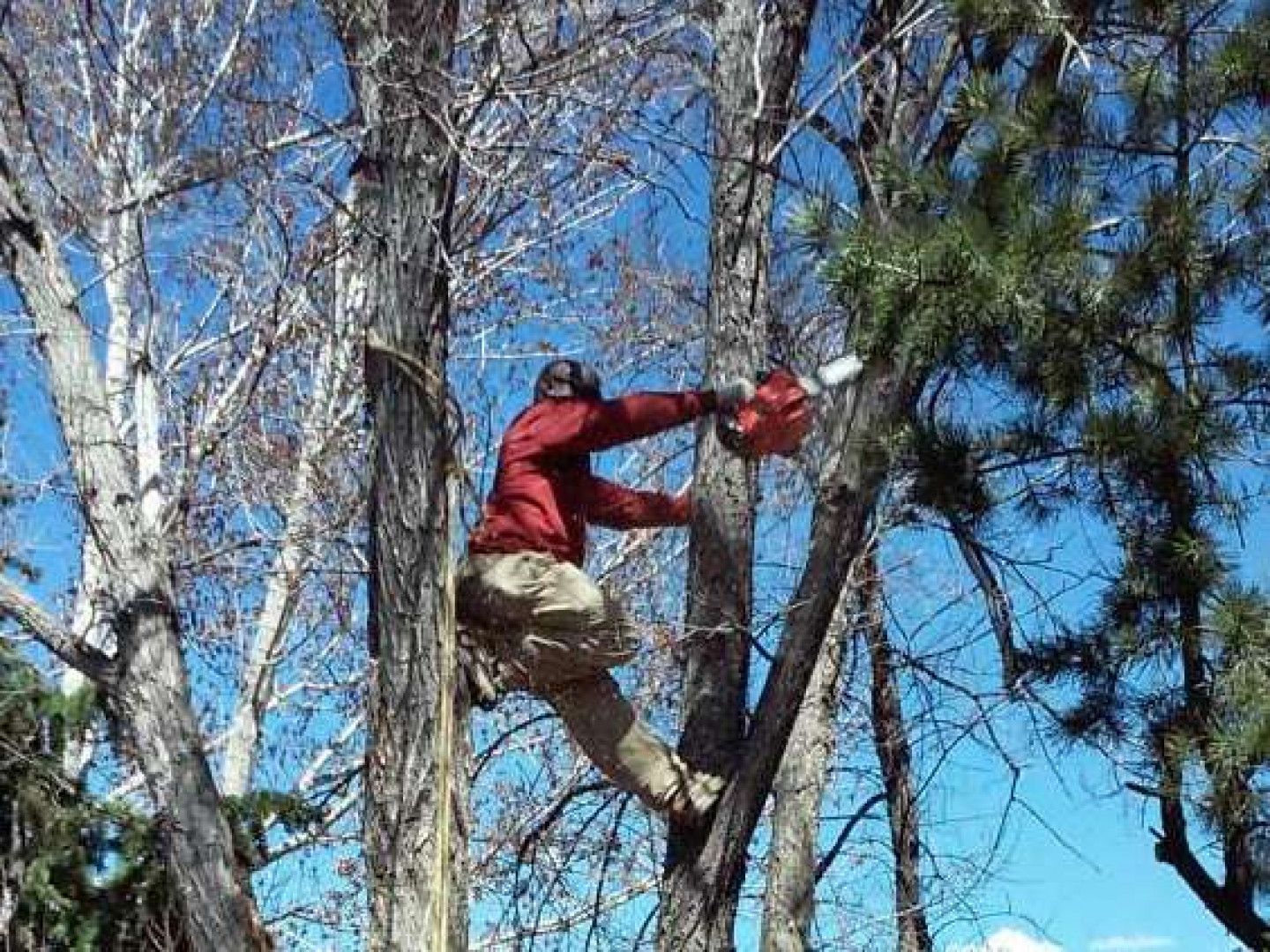
Handling large tree take-downs requires serious technical skill and heavy-duty rigging equipment. You can’t just hack away at a trunk and hope for the best. Our experienced crew carefully plans every cut, utilizing controlled lowering techniques to guide heavy wood safely to the ground. This meticulous approach keeps your home, fencing, and delicate landscaping completely safe throughout the entire process.
Colorado Springs, CO 80919
Hours
- Mon - Sun
- -
Phone
Clearing Space After a Storm or Construction Project
We don't just drop the tree and leave a massive mess for you to deal with later. Our team chips the smaller branches, cuts the heavy logs into manageable pieces, and thoroughly cleans the entire work area. Still, you might want to keep some of the wood for firewood. Just let us know ahead of time and we’ll gladly stack it out of the way for you.
Complete Stump Grinding and Site Cleanup
What about that ugly stump left behind? Leaving a raw stump in your yard isn't just an eyesore; it’s a trip hazard that invites termites and wood-boring pests straight to your property line. We offer thorough stump grinding that chews the wood down well below the surface of your grass. This allows you to easily reclaim that footprint, lay down fresh topsoil, and plant new grass or landscaping elements without any obstruction.
Answers to Frequent Service Questions
Removal decisions depend on tree condition, location risks, and whether preservation through treatment remains viable given the extent of decline or structural defects.
What indicates a tree needs removal rather than treatment?
Trees with more than fifty percent crown dieback, extensive trunk decay detected through resistance drilling, severe lean with exposed root plates, or large dead limbs overhanging structures typically warrant removal rather than attempting corrective care that won't restore structural integrity.
How is removal performed near power lines?
Work near power lines requires coordination with utility providers to de-energize lines when clearance falls below safe distances, with specialized rigging techniques that prevent branches from contacting conductors during descent and ground crews maintaining exclusion zones throughout the operation.
When is the best time to remove trees in Colorado Springs?
Removal can occur year-round, though frozen ground in winter complicates stump grinding and equipment access, while summer removals allow immediate replanting if desired, taking advantage of the remaining growing season for new tree establishment.
What happens to the wood after removal?
Wood is processed into firewood lengths, chipped for mulch, or hauled to disposal facilities depending on species, size, and whether the tree showed signs of disease or pest infestation that make reuse inadvisable for landscape applications.
How deep are stumps ground below surface?
Standard grinding extends eight to twelve inches below grade, sufficient for turf establishment, while deeper grinding to eighteen inches accommodates replanting trees or installing hardscape features that require stable substrate without decomposing wood interference.
Wright Tree, Lawn and Landscape Care provides transparent removal assessments that explain why specific trees present risks and what methods will be used based on site conditions and access limitations. Schedule an on-site consultation to evaluate trees of concern and discuss removal approaches that prioritize safety and property protection throughout the process.
Contact Us
Contact Us
We will get back to you as soon as possible.
Please try again later.