Professional Tree Trimming and Pruning
Enhancing Structural Integrity and Canopy Aesthetics
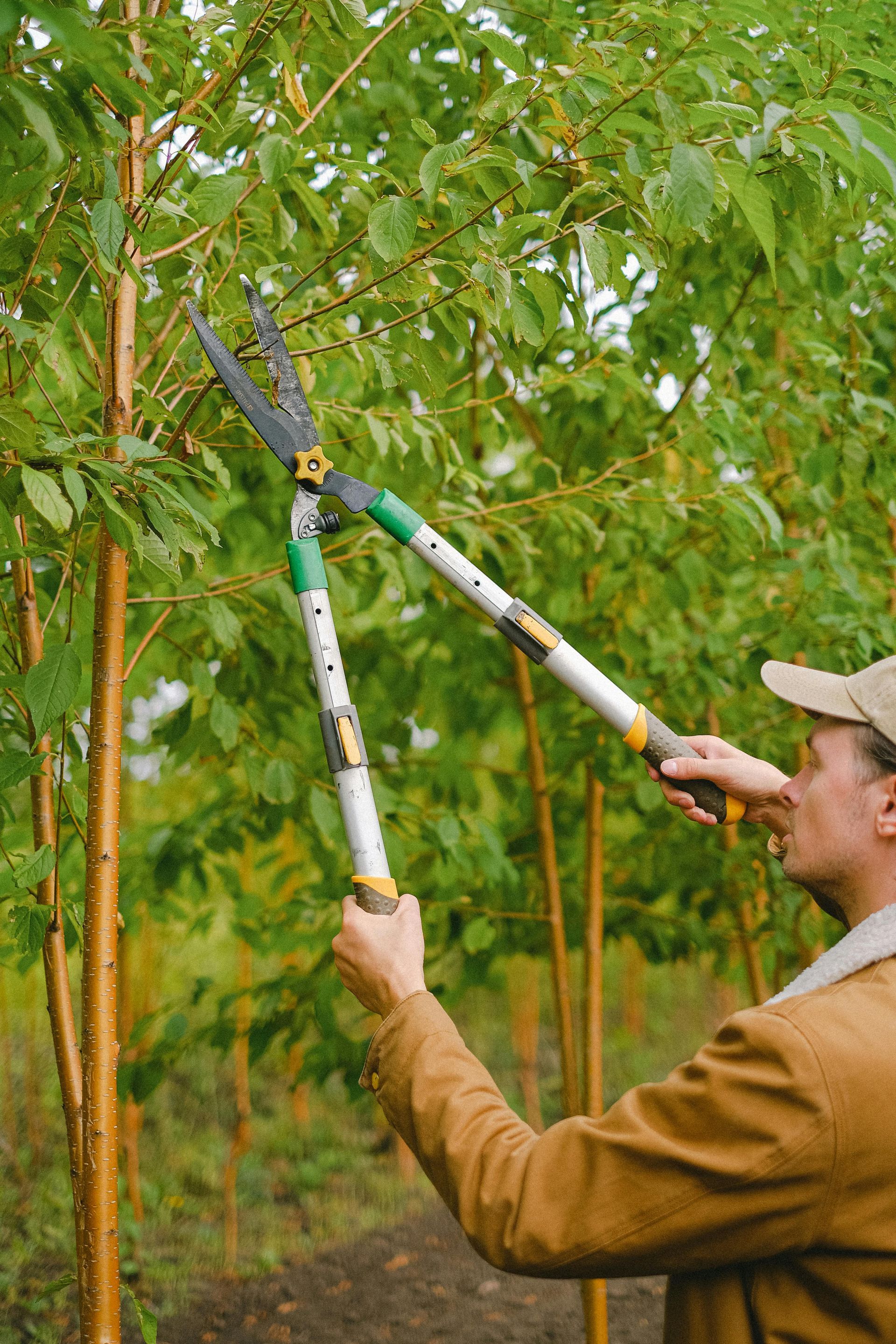
Proper trimming is a blend of science and craftsmanship. It’s not simply about shortening branches; it’s about understanding how a tree grows and removing the right pieces to encourage a safer, healthier structural shape. Regular pruning removes dead or diseased wood that drains energy from the rest of the tree. This simple maintenance task opens up the interior canopy, allowing vital sunlight and airflow to pass through easily.
When wind can blow right through a tree instead of hitting it like a solid wall, the risk of storm failure drops significantly. We focus on directional pruning to guide growth away from your house, gutters, and overhead lines. This keeps your structures safe while maintaining the natural, beautiful silhouette of the tree.
Colorado Springs, CO 80919
Hours
- Mon - Sun
- -
Phone
Structural Weight Reduction and Deadwood Removal
Overgrown limbs can get incredibly heavy, putting immense stress on the main trunk. Over time, that weight causes cracks to form at the branch unions. By selectively thinning the outer canopy, we relieve that pressure before a clean break happens. And trust me, preventing a split trunk is much easier than trying to save a tree after it breaks apart.
Every cut we make is deliberate. Shrub and tree species respond differently depending on the time of year they are pruned, so we always time our visits to match the biology of your specific plants. This ensures quick healing and minimizes the risk of pest entry. Your trees get a clean look, better health, and a much longer lifespan.
Common Questions About This Service
Trimming decisions balance immediate clearance needs with long-term tree health, accounting for how different species respond to pruning pressure and seasonal timing.
What determines how much can be removed safely?
Removal limits depend on species tolerance, tree health, and time since last pruning, with stressed trees requiring lighter touch and vigorous specimens handling more aggressive thinning without triggering decline or excessive water sprout production that clutters the canopy.
How does trimming differ between evergreens and deciduous trees?
Deciduous trees resprout readily from dormant buds along branches, allowing corrective shaping, while evergreens like pine and spruce only grow from terminal buds, meaning cuts into bare wood won't regenerate foliage and must preserve existing needle-bearing sections.
When should trimming be avoided in Castle Rock?
Late spring trimming during active growth attracts bark beetles to pine species through scent compounds released from cut surfaces, while fall trimming stimulates new growth that doesn't harden off before winter freeze damage occurs on tender shoots.
What causes trees to develop co-dominant stems?
Co-dominant stems form when terminal leaders split into competing vertical branches with narrow attachment angles that trap bark between them, creating weak unions that split apart under load rather than flexing like properly spaced lateral branches with wide crotch angles.
How often should mature trees be trimmed?
Mature trees typically benefit from trimming every three to five years depending on growth rate and clearance needs, with faster-growing species like cottonwood requiring more frequent attention than slow-growing conifers that add minimal annual extension.
Wright Tree, Lawn and Landscape Care evaluates branch structure, identifies priorities based on safety and tree health, and executes trimming that improves both function and form without compromising long-term vitality. Request an evaluation to determine trimming approaches suited to your specific trees and property requirements.
Contact Us
Contact Us
We will get back to you as soon as possible.
Please try again later.